
When automation causes losses: 7 common mistakes companies make
When automation causes losses: 7 common mistakes companies make
Improperly implemented or misused automation can generate financial losses for a company instead of delivering the expected benefits. This is precisely why proper preparation of the entire process is so important, including a thorough analysis of needs in this area. Our experts have gathered for you 7 mistakes companies make that cause automation to lead to losses. See how to avoid them.
1. Lack of a clearly defined automation goal
The most common mistake companies make is failing to define the goal of automation. The process is implemented to follow market trends, but it lacks solid foundations. As a rule, every automation effort should be a response to a specific business challenge. Therefore, determine what you are struggling with and what outcome you want to achieve. Examples of goals include: reducing process costs, improving team efficiency, accelerating customer service, or streamlining data collection. This goal then forms the basis for preparing the automation scheme. Acting without a prior plan creates chaos and makes it harder to achieve the desired result, leading instead to financial losses and internal disorganization. Well-designed customer service automation positively impacts consumer satisfaction and company profitability, so it is worth approaching it thoughtfully.
2. No prior optimization of processes
A common mistake made by entrepreneurs is failing to optimize processes before automating them. As a result, they end up modifying areas that are already inefficient or even faulty. Automation, instead of delivering measurable benefits such as time and cost savings, will generate unnecessary losses. To avoid this, you must first document selected processes within the company and then improve them, increasing their efficiency and effectiveness. Once a satisfactory level is reached, you can move on to further work. For example, customer service automation aimed at improving sales will not bring the expected results if procedures, sales scripts, and standardized guidelines are not established beforehand.
3. Poorly chosen automation tools and systems
Selecting the right tool or system for automation requires experience and understanding of the specifics of this sector. Unfortunately, mistakes at this stage can result in an ineffective automation process and additional financial losses and frustration. Therefore, it is worth carefully analyzing your needs and familiarizing yourself with the products offered by technology providers. In case of any doubts, we recommend contacting an EasyCall expert. Tools such as Voicebots, Chatbots, ERP, CRM, and others help in effective automation of customer service or data management. The key lies in choosing the right tools and ensuring professional implementation.
4. Scope too broad instead of a step-by-step approach
When automating recruitment processes, customer service, or other operational areas, a step-by-step approach is recommended. Gradually implementing new systems reduces the risk of errors and allows the organization to maintain order and accurately measure results. Unfortunately, many entrepreneurs choose a broad implementation scope and end up losing control over it. This creates real risks such as financial losses, exceeding the budget, prolonging the process, and decreasing team engagement and belief in automation.
5. Unprepared or unengaged team

Porozmawiaj z naszym specjalistą
Even the best-planned automation implementation will fail if the team is not prepared for it or not sufficiently engaged in the process. Therefore, it is important to conduct a series of training sessions beforehand and clearly communicate upcoming changes to employees. Focus primarily on the benefits that automation will bring to individual roles and to the entire company. Then involve the team in testing and consultations, while keeping motivation high. This ensures smoother implementation and effective use of automation from day one, reducing the risk of potential financial losses.
6. Excessive rush and lack of accuracy
In business, haste is often a poor advisor. It leads to inaccuracy in work and poor decision-making. This also applies to automation. The entire process should be planned with adequate lead time, allowing space for calmly implementing subsequent components and verifying their effectiveness. Unfortunately, many people operate under time pressure and want to automate selected processes immediately. This results in many errors, ineffective integration between tools, and misunderstanding of system capabilities, leading to inefficient use. Instead of rushing, choose calm and deliberate planning. In automation, it is sometimes better for the implementation to take an extra week rather than be two days too short. This will translate into real benefits.
7. Lack of measuring results and process optimization
Automation in a company is a continuous process, which is why it must be regularly monitored and evaluated for effectiveness. To do this, selected KPIs should be defined and tailored to the specific case. For example, in customer service, these may include:
- time required to handle a single request,
- number of conversations conducted in one day,
- customer’s waiting time for a connection,
- level of customer satisfaction with the provided services.
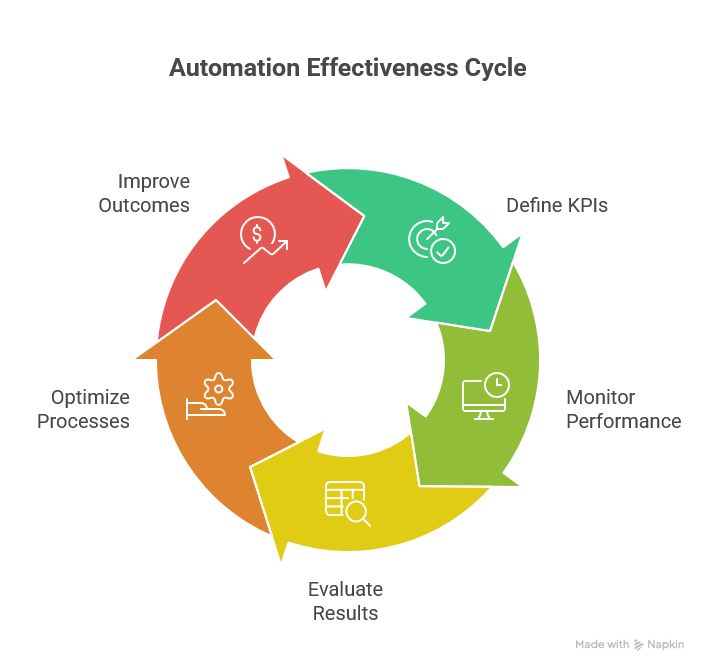
Measuring the effectiveness of automation allows you to eliminate potential errors and continually improve processes. All this serves to optimize operational costs and improve team performance, which directly impacts the company’s profitability, reputation, and customer satisfaction levels. Underestimating the importance of measuring results—in a “set it and forget it” approach—causes the company to regress rather than grow, and automation gradually loses its effectiveness.
How to ensure effective automation in your company?
Implementing effective automation requires experience, understanding of processes, and knowledge of available tools. For this reason, it is worth leveraging expert knowledge. At EasyCall, we have been supporting entrepreneurs for years in digitizing and automating customer service, recruitment, and other areas of business. We successfully deliver services for many sectors. Explore the stories of EasyCall clients and join the companies effectively using the potential of automation. We invite you to contact our specialist directly, who will prepare a dedicated solution tailored to your needs and company specifics.
